Seamless Brown Digital Paper Backgrounds: A Versatile Tool for Creative Projects
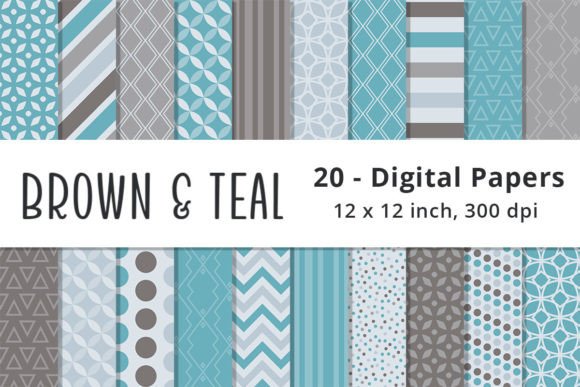
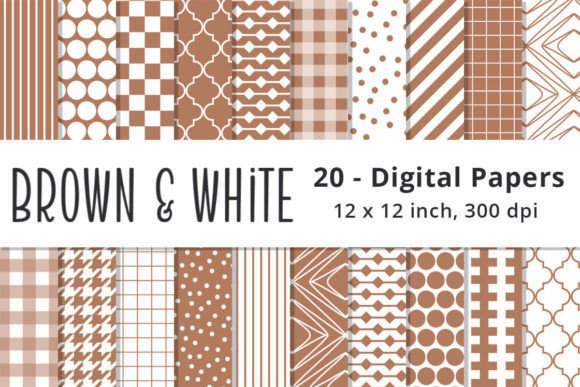
Seamless Brown Digital Paper Backgrounds are a staple in the world of digital design, offering a timeless aesthetic that blends elegance with practicality. These backgrounds feature geometric patterns like Pinstripe, Houndstooth, Stripes, Polka Dot, Check, Diamond, Graph Grid, Trellis, Abstract Lines, and Gingham Plaid, all in a brown and white color scheme. Whether you're designing digital scrapbook pages, creating planner templates, or working on printable cards, these digital papers provide a cohesive and professional look. However, many creators may not realize the nuances of selecting and using them effectively.
Why Choose Seamless Brown Digital Paper Backgrounds?
The appeal of seamless brown digital paper backgrounds lies in their versatility and visual appeal. The combination of earthy tones like brown and white creates a warm, organic feel that works well across various creative mediums. From digital scrapbooking to fabric designs, these patterns can elevate the overall presentation of your projects. Their seamless nature ensures that they can be tiled without visible seams, making them ideal for large-format designs like wallpaper or backdrop elements.
Additionally, these digital papers are often available in high-quality JPG format at 300 dpi, ensuring crisp clarity when printed or displayed digitally. With 20 different patterns included in most packs, you have ample options to match your project's theme or mood.
Common Mistakes When Choosing Digital Papers
Selecting the right digital paper can be tricky, especially for beginners. One common mistake is choosing a pattern that doesn't complement the content of your design. For instance, using a busy houndstooth pattern on a cluttered layout can make the design feel overwhelming rather than elegant. Always consider the contrast between the background and the foreground elements to ensure readability and visual harmony.
Another frequent error is overlooking the resolution and file type. While JPEG files are widely used, they are flattened raster images, meaning they cannot be edited for individual elements like colors or shapes. If you need more flexibility, it's essential to check whether vector-based alternatives are available, even if they come at a higher cost.
How to Avoid Common Pitfalls
To avoid these issues, start by evaluating your project's needs. Ask yourself: What is the primary purpose of this design? Is it for print or digital use? What kind of message or emotion do I want to convey? These questions will guide you toward selecting the most appropriate pattern and color scheme.
For example, if you're designing a planner page, a subtle grid pattern might help organize information better than a bold polka dot. Similarly, if you're creating an invitation, a more refined trellis or abstract line pattern could add sophistication without distracting from the text.
Before finalizing your choice, always preview the digital paper in the context of your full design. Use tools like layers or transparency settings to see how the pattern interacts with other elements. This step can save time and prevent the need for rework later on.
What to Check Before Downloading or Purchasing
When purchasing digital paper packs, it's important to verify key details before committing. First, confirm the file format—JPG is standard, but if you require editable elements, you may need to look elsewhere. Next, check the dimensions and resolution to ensure they meet your project's requirements. A 12 x 12 inch size at 300 dpi is excellent for most print applications, but if you're designing for a larger format, you may need to upscale carefully to maintain quality.
Also, read reviews or check sample images to get a sense of the overall quality and variety of the pack. Some sellers offer previews or free samples, which can help you assess whether the patterns align with your vision before making a purchase.
Real-World Applications and Tips
Seamless brown digital paper backgrounds are incredibly useful for a wide range of applications. For digital scrapbooking, they serve as a neutral base that allows photos and embellishments to stand out. In journaling or planner design, they provide structure while maintaining a clean, organized look. Even in marketing materials like tumbler wraps or product packaging, these patterns can enhance brand identity with a touch of sophistication.
One practical tip is to use these backgrounds as borders or accents rather than full-page covers. This approach can add depth and interest without overwhelming the design. Additionally, layering multiple patterns subtly can create a dynamic yet cohesive look, especially in mixed-media projects.
For those who frequently work with digital tools, consider organizing your digital paper library into categories based on pattern style, color, and intended use. This practice can streamline your workflow and help you find the perfect match quickly when starting a new project.
By understanding the strengths and limitations of seamless brown digital paper backgrounds, you can make informed choices that enhance your creative output. Whether you're a beginner or a seasoned designer, taking the time to evaluate your options will lead to more satisfying and professional results.