Retro Orange and Teal Pattern Paper: A Timeless Design Resource for Creatives
Exploring the Visual Language of Retro Orange and Teal Patterns
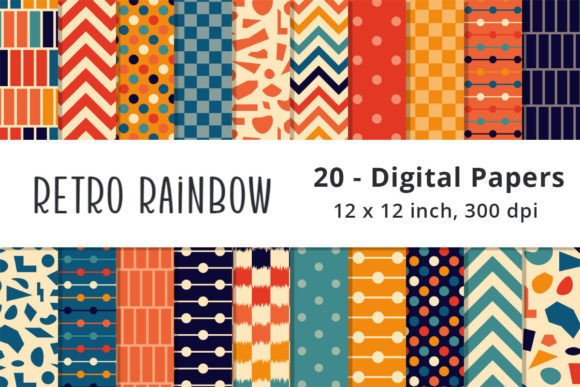
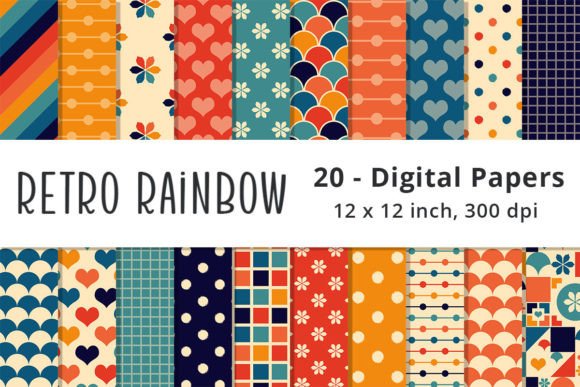
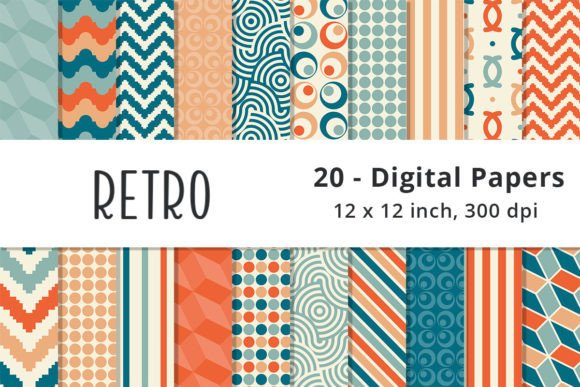
The resurgence of retro aesthetics in design has brought back a wave of nostalgic visuals, with Retro Orange and Teal Pattern Paper standing out as a versatile resource. These digital papers blend vibrant orange tones with cool teal shades to create dynamic and eye-catching designs. The patterns featured include chevron, stripes, dots, and more, each contributing to a cohesive yet varied visual language.
Orange and teal are not just colors; they are emotional triggers. Orange evokes warmth, energy, and creativity, while teal brings calmness and reliability. This combination is particularly effective for projects that aim to balance playfulness with professionalism. Whether used for backgrounds, cards, or invitations, these patterns can elevate the visual appeal of any project.
Understanding the Features of Retro Orange and Teal Digital Papers
Retro Orange and Teal Pattern Paper comes as a collection of 20 high-quality digital papers in JPG format. Each paper measures 12 x 12 inches at 300 dpi, ensuring clarity and detail for both print and digital use. These files are flattened raster images, which means they are ready to use without requiring additional editing or vector manipulation.
The variety of patterns included ensures that creators have multiple options to suit different needs. Chevron patterns add movement and rhythm, making them ideal for headers or borders. Stripes offer a clean and structured look, perfect for backgrounds or accents. Dots bring a playful and whimsical feel, suitable for children's projects or themed invitations. Other patterns may include floral motifs, geometric shapes, or abstract designs, all contributing to a rich palette of creative possibilities.
These digital papers are particularly useful for those working on scrapbooking, card making, invitations, and other paper crafts. They provide a quick and easy way to add texture and interest to otherwise plain surfaces. Additionally, their versatility makes them suitable for use in POD (print-on-demand) projects, where consistent and high-quality visuals are essential.
Applications Across Different Creative Fields
The applications of Retro Orange and Teal Pattern Paper span across various creative fields. For instance, in scrapbooking, these papers can be used as backgrounds for photo layouts, adding a vintage feel to modern compositions. In card making, they can serve as bases or embellishments, enhancing the overall aesthetic of the design.
For event planners and designers, these papers can be used to create unique invitations or promotional materials. The retro vibe of the patterns can align well with themes such as vintage parties, retro-themed weddings, or nostalgic celebrations. The color contrast between orange and teal also makes these papers stand out against white or neutral backgrounds, ensuring visibility and impact.
Business owners and marketers can leverage these digital papers for branding purposes. Whether designing social media graphics, email headers, or packaging materials, the retro aesthetic can help differentiate a brand from competitors. The use of such patterns can evoke a sense of nostalgia, which is often appealing to consumers seeking authenticity and connection.
Educators and researchers might find these papers useful for creating visually engaging educational materials or presentations. The bold colors and patterns can help break up text-heavy content and make information more digestible. Similarly, hobbyists and DIY enthusiasts can use these papers for personal projects, such as handmade calendars, journal covers, or decorative wall art.
Considerations When Using Retro Orange and Teal Pattern Papers
While Retro Orange and Teal Pattern Paper offers a wealth of design opportunities, there are certain considerations to keep in mind. Since these are raster files, they may not scale perfectly beyond their original size. Users should ensure that they are using the appropriate resolution for their intended output, whether it’s for print or digital display.
Additionally, the choice of pattern should be guided by the overall design intent. Overusing patterns can lead to cluttered visuals, so it’s important to strike a balance between texture and simplicity. It’s also worth considering how the colors will interact with other elements in the design, such as text or photographs. Ensuring good contrast and readability is crucial, especially when using these patterns for informational content.
Another consideration is the licensing of the digital papers. While many resources offer free or affordable downloads, users should always verify the terms of use to avoid copyright issues. Some digital paper packs may restrict commercial use or require attribution, so it’s important to understand the rights associated with the files before incorporating them into professional projects.
Comparing Retro Orange and Teal Patterns to Other Design Resources
Compared to other design resources, Retro Orange and Teal Pattern Paper stands out for its focused color scheme and nostalgic appeal. Unlike generic pattern libraries that offer a wide range of colors and styles, this collection is curated around the specific combination of orange and teal, making it ideal for projects that benefit from a cohesive color palette.
In comparison to vector-based design assets, these raster files are more straightforward to use but lack the scalability and editability of vectors. However, for many creators, the convenience of using pre-made, high-resolution JPEGs outweighs the limitations of raster formats. Additionally, the retro theme of these patterns sets them apart from contemporary design trends, offering a unique aesthetic that can help projects stand out.
When compared to hand-drawn or custom-designed patterns, these digital papers provide a ready-to-use solution that saves time and effort. While custom patterns may offer greater flexibility, they require more skill and resources to create. For those looking for an efficient and effective way to incorporate retro-inspired visuals into their work, Retro Orange and Teal Pattern Paper provides a compelling option.
Integrating Retro Orange and Teal Patterns Into Your Workflow
Integrating Retro Orange and Teal Pattern Paper into your workflow begins with understanding the specific needs of your project. Start by selecting the most appropriate pattern based on the context, whether it’s for a background, border, or accent. Consider how the colors will interact with other design elements and ensure that the pattern complements rather than overwhelms the composition.
Once you’ve chosen the right pattern, import the JPEG file into your design software. Use tools like layer blending modes or opacity adjustments to fine-tune the appearance of the pattern within your project. If you’re working with multiple layers, consider grouping related elements together to maintain organization and ease of editing.
For those who are new to using digital papers, experimenting with different placements and combinations can help uncover new creative possibilities. Try layering patterns, adjusting their positions, or combining them with solid colors to achieve the desired effect. Remember that practice and experimentation are key to mastering the use of these resources.
Finally, always keep an eye on the overall design balance. While retro patterns can add character and charm, they should be used thoughtfully to avoid overcomplicating the layout. Strive for harmony between the pattern and the rest of the design, ensuring that the final result is both visually appealing and functional.