Butterfly Pattern: A Versatile Design Element for Creative Projects
The Butterfly Pattern is a captivating and versatile design element that has been cherished across cultures and eras. Known for its intricate details, symmetrical beauty, and symbolic meaning, this pattern is widely used in various creative fields. Whether you're designing textiles, home decor, or fashion apparel, the Butterfly Pattern offers endless possibilities to enhance your projects with elegance and charm.
For designers, artists, and hobbyists, understanding how to effectively use the Butterfly Pattern can unlock new levels of creativity. This article explores what the Butterfly Pattern is, its practical applications, and how it can be tailored to meet diverse needs in different creative domains.
What Is the Butterfly Pattern?
The Butterfly Pattern typically refers to a decorative motif that mimics the wings of a butterfly. These designs are often characterized by their symmetrical, flowing lines and vibrant colors. The pattern can range from simple outlines to highly detailed illustrations, making it suitable for both minimalist and ornate designs.
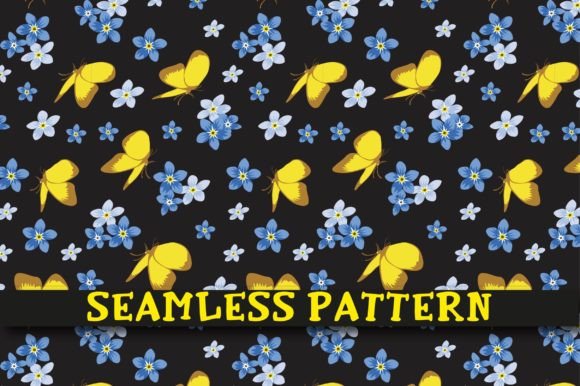
In the context of vector illustrations, the Butterfly Pattern is usually created using scalable vector graphics (SVG) formats. This allows for seamless scaling without loss of quality, making it ideal for digital and print applications alike. The pattern can be repeated seamlessly to cover large areas, which is especially useful for fabric printing, wrapping paper, and other surface design applications.
Challenges and Goals in Using Butterfly Patterns
While the Butterfly Pattern is visually appealing, there are certain challenges that users may encounter when incorporating it into their projects. One common challenge is ensuring that the pattern remains visually balanced and does not become overwhelming when repeated. Additionally, achieving the right level of detail without compromising scalability can be tricky, especially for those who are new to vector illustration techniques.
Another consideration is the intended use of the design. For instance, a Butterfly Pattern used in children's clothing will likely require bright, playful colors and simplified shapes, whereas one used in high-end fashion may demand more refined and subtle details. Understanding these nuances is essential to meeting the specific goals of each project.
How Butterfly Patterns Can Help Address Creative Needs
The Butterfly Pattern is a powerful tool for addressing a wide range of creative needs. Its versatility makes it an excellent choice for designers looking to add visual interest to their work without overcomplicating the overall design. Here are some ways the Butterfly Pattern can be applied effectively:
- Textile Design: The Butterfly Pattern can be used to create eye-catching fabrics for t-shirts, quilting projects, and even kids' clothes. Its repeating nature ensures consistency while adding a touch of whimsy.
- Interior Decor: From curtains to wall art, the Butterfly Pattern can transform any space with its elegant and organic feel.
- Packaging and Branding: Incorporating the Butterfly Pattern into packaging designs can help brands stand out while conveying themes of transformation and beauty.
- Scrapbooking and Posters: The pattern adds a decorative element to scrapbook pages and posters, making them more engaging and visually appealing.
Practical Applications and Outcomes
When used thoughtfully, the Butterfly Pattern can lead to stunning results across multiple industries. In textile design, for example, a well-crafted Butterfly Pattern can elevate the aesthetic value of a product and attract a broader audience. Similarly, in interior decor, the pattern can serve as a focal point that ties together different elements of a room.
For individuals working on personal creative projects, such as quilting or scrapbooking, the Butterfly Pattern provides a structured yet flexible framework for expression. It allows for customization, enabling users to adjust colors, sizes, and styles to match their vision.
One practical outcome of using the Butterfly Pattern is the ability to create cohesive collections. Whether designing a line of clothing or a set of wrapping papers, maintaining a consistent pattern theme can enhance the overall look and feel of the products.
Examples and Recommendations
To get started with the Butterfly Pattern, consider experimenting with different color palettes. Soft pastels can give a calming effect, while bold, contrasting colors can make the pattern more dynamic. You can also vary the complexity of the design—some versions of the Butterfly Pattern feature intricate details, while others are more stylized and abstract.
If you're looking for inspiration, explore online marketplaces like Adobe Stock, Shutterstock, or Etsy for pre-made Butterfly Pattern vector illustrations. These resources offer a wide variety of options that can be customized to fit your specific needs. Additionally, many design software programs, such as Adobe Illustrator and CorelDRAW, provide tools for creating and editing vector patterns.
For those who prefer a hands-on approach, sketching out different variations of the Butterfly Pattern on paper before digitizing it can help refine the design and ensure it meets your expectations.
Different Approaches to Using Butterfly Patterns
Depending on the user's experience and project requirements, there are several approaches to incorporating the Butterfly Pattern. Beginners might start with simple, stylized versions of the pattern, focusing on mastering the basics before moving on to more complex designs. On the other hand, experienced designers may experiment with layering the Butterfly Pattern with other motifs or textures to create unique compositions.
Some users may prefer to use the Butterfly Pattern as a standalone design, while others may integrate it with other elements to achieve a more dynamic look. The key is to maintain balance and ensure that the pattern complements the overall design rather than overpowering it.
Conclusion
The Butterfly Pattern is a timeless and adaptable design element that can enhance a wide range of creative projects. Whether you're designing textiles, home decor, or fashion apparel, this pattern offers a beautiful way to express creativity and bring visual harmony to your work. By understanding its characteristics, challenges, and applications, you can confidently incorporate the Butterfly Pattern into your designs and achieve outstanding results.
With its versatility and aesthetic appeal, the Butterfly Pattern continues to inspire designers and creators around the world. Embrace its beauty and let it transform your next creative endeavor into something truly special.